
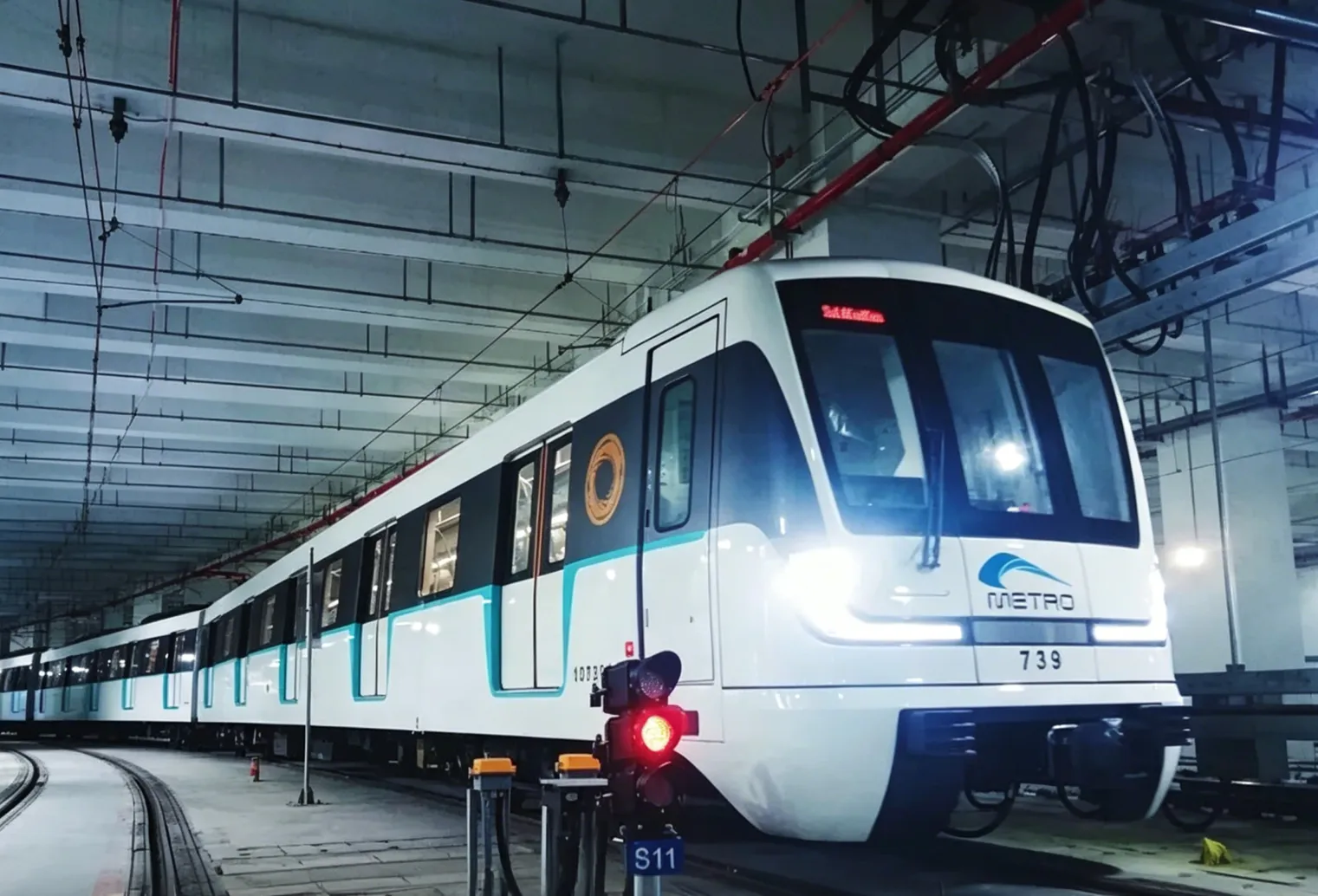
Metrô
Solução de Sistema Telefônico de Assistência de Emergência da Linha 7 do Metrô de Chengdu
Adaptada às características operacionais e às necessidades de resposta a emergências da Linha 7 do Metrô de Chengdu, que transporta diariamente de 600.000 a 750.000 passageiros, esta solução oferece um sistema inteligente de assistência emergencial com acionamento de um toque. Centrada nos passageiros, orientada pela segurança e focada na eficiência, a solução resolve os pontos problemáticos dos modelos atuais de solicitação de ajuda e constrói uma estrutura inteligente de emergência com ativação em um toque, resposta em segundos, coordenação de todo o processo e gestão em circuito fechado. Ela fornece suporte abrangente e altamente confiável de comunicação emergencial e ajuda a criar um ambiente de transporte ferroviário mais seguro, inteligente e conveniente.
Como uma importante linha circular urbana, a Linha 7 do Metrô de Chengdu conecta múltiplos hubs de transporte e distritos comerciais centrais. O fluxo de passageiros é intenso nos horários de pico, impondo exigências extremamente altas à segurança operacional e à eficiência da resposta a emergências. Embora a linha já esteja equipada com instalações básicas de emergência, ainda existem quatro grandes pontos problemáticos. Primeiro, os canais de assistência são limitados e dependem excessivamente de botões fixos de interfone, o que pode atrasar os pedidos de ajuda. Segundo, a eficiência de resposta é insuficiente, pois as chamadas exigem atendimento manual e podem sofrer atrasos nos períodos de pico. Terceiro, a integração entre sistemas é fraca, sem uma plataforma unificada de comando e despacho. Quarto, a adaptabilidade dos equipamentos é inadequada, pois os terminais tradicionais não se ajustam bem ao ambiente complexo do metrô e estão sujeitos a falhas. Com base nisso, a presente solução é proposta para melhorar a capacidade de tratamento de emergências e aumentar a confiança dos passageiros na segurança.
O sistema é posicionado como uma plataforma inteligente de assistência emergencial, centrada no passageiro, aplicável a todos os cenários e de serviço integrado. Com base em tecnologia industrial de comunicação emergencial, ele permite assistência em um toque, resposta em segundos, posicionamento preciso e tratamento coordenado, tornando-se um guardião invisível da segurança operacional da linha.
Os objetivos centrais concentram-se em cinco dimensões: conveniência (múltiplos canais e operação simples), eficiência (resposta em até 5 segundos), confiabilidade (equipamentos industriais e estabilidade 24 horas), coordenação (integração em circuito fechado entre todos os sistemas) e rastreabilidade (registro e revisão de todo o processo).
As funções principais cobrem todo o processo, incluindo assistência em um toque por múltiplos canais (terminais no local, aplicativo móvel, código QR), posicionamento preciso (até a zona da plataforma ou número do vagão), tratamento categorizado de pedidos de assistência, integração multisistema (ISCS, CCTV, 110/120 etc.), registro e rastreabilidade de todo o processo, além de operação e manutenção inteligentes (monitoramento remoto e alerta de falhas).
Com base em tecnologias maduras de comunicação industrial emergencial, o sistema pode ser rapidamente implantado e adaptado à infraestrutura existente. Os terminais industriais da série EX-BT suportam operação em ampla faixa de temperatura, proteção contra poeira e água e resistência a interferências eletromagnéticas, sendo adequados para ambientes de metrô. A transmissão de áudio e vídeo de baixa latência, com atraso não superior a 300 ms, combinada com uma rede dedicada LTE-M trem-terra, garante comunicação clara e fluida. A solução de integração de posicionamento GIS atende aos requisitos de localização precisa. Uma arquitetura de microsserviços com hot standby de servidor duplo suporta alta concorrência e integração perfeita com os sistemas existentes. Uma estrutura completa de proteção de segurança garante conformidade com os requisitos de proteção de cibersegurança.
O sistema adota uma arquitetura em camadas composta pela camada de terminais front-end de assistência, camada de comunicação e rede, camada de plataforma de serviços back-end e camada de aplicação e integração. Essas camadas são conectadas de forma contínua para garantir estabilidade, eficiência e escalabilidade.
Centrada no sistema emergencial de paging IP e intercomunicação, a solução integra terminais industriais, transmissão de baixa latência e módulos inteligentes de integração para alcançar um circuito fechado completo de acionamento front-end, transmissão intermediária, despacho back-end e tratamento no terminal. Ela segue os princípios de confiabilidade em primeiro lugar, usabilidade em segundo e adaptação orientada à escalabilidade, alinhando-se totalmente às exigências operacionais da linha.
Todos os terminais adotam produtos de grau industrial e oferecem métodos diversificados para pedidos de assistência. Os terminais impermeáveis de intercomunicação EX-BT27 são implantados nas plataformas, com pelo menos duas unidades em cada lado, apresentando acionamento em um toque, design antiacionamento falso e avisos de voz. Os terminais embarcados EX-BT30 são instalados nos vagões, um em cada extremidade de cada vagão, com resistência à vibração e à interferência, conectando-se diretamente à cabine do maquinista e enviando simultaneamente informações de assistência ao centro de controle. Códigos QR de assistência são afixados em locais visíveis das estações, permitindo que passageiros escaneiem e iniciem videointercomunicação sem baixar um aplicativo. A equipe é equipada com terminais portáteis Becke HT-500 para tratamento coordenado em tempo real.
O sistema adota um design redundante. As redes dedicadas LTE-M trem-terra existentes são usadas para comunicação trem-terra. Os terminais de estação acessam o centro de controle por meio de LAN com redundância de rota dupla e dispositivo duplo. Terminais móveis usam redes públicas 4G/5G com transmissão criptografada por VPN. Toda a rede cumpre padrões do setor e é equipada com firewalls e sistemas de detecção de intrusão para garantir segurança e estabilidade.
A plataforma central é o sistema emergencial de paging IP e intercomunicação desenvolvido de forma independente, implantado no centro de controle. Ela usa arquitetura de microsserviços e hot standby de servidor duplo, integrando seis módulos centrais para realizar recepção de assistência, processamento de áudio e vídeo, exibição de posicionamento, despacho coordenado, armazenamento de dados com retenção de pelo menos 30 dias e operação e manutenção inteligentes, garantindo alta confiabilidade e escalabilidade.
O centro de controle é equipado com uma tela de comando de ultra-alta definição e console de despacho, enquanto terminais portáteis da equipe permitem despacho eficiente. Por meio de gateways multiprotocolo, o sistema integra-se perfeitamente ao ISCS, radiodifusão, CCTV e plataformas de emergência 110/120, formando um mecanismo de coordenação em circuito fechado e melhorando a eficiência do tratamento colaborativo.
As tecnologias principais incluem comunicação de áudio e vídeo de baixa latência usando codificação e decodificação proprietárias mais protocolos WebRTC/RTMP com latência não superior a 300 ms, posicionamento preciso e serviços de mapa GIS com posicionamento multimodo e exibição destacada em tempo real, integração multisistema e despacho inteligente com agendamento baseado em prioridade e resposta coordenada em um toque, além de garantia de segurança e confiabilidade por meio de criptografia de dados, redundância e recuperação de desastres, e operação e manutenção inteligentes.
Centrado no conceito principal de acionamento em um toque, resposta rápida e cuidado em todo o processo, o sistema é projetado com funções práticas adaptadas às necessidades dos passageiros e do pessoal operacional.
Os terminais no local possuem botões vermelhos destacados nas unidades de plataforma, com design antiacionamento falso. Uma vez pressionados, conectam-se automaticamente ao centro de controle e fornecem avisos de voz. Quando os terminais embarcados são acionados, conectam-se à cabine do maquinista e simultaneamente enviam informações ao centro de controle. Os terminais suportam ajuste automático de volume, alertas piscantes e autoverificação de falhas. No lado móvel, os passageiros podem escanear um código QR para abrir uma interface leve, ou usar o aplicativo incorporado na plataforma oficial, que suporta intercomunicação de áudio e vídeo e entrada de texto com proteção de privacidade criptografada. Para categorização e prioridade de assistência, os passageiros podem selecionar o tipo de solicitação, com emergências e assistência médica recebendo a prioridade mais alta para garantir que assuntos urgentes sejam tratados primeiro.
O processo de tratamento consiste em seis etapas. Primeiro, a assistência é acionada por múltiplos canais e as informações relevantes são coletadas. Segundo, o sistema fornece resposta em segundos dentro de 5 segundos, com alertas pop-up, avisos sonoros e recuperação automática de CCTV. Terceiro, a resposta coordenada é iniciada, acionando radiodifusão, resgate, despacho e outras medidas de acordo com o tipo de solicitação. Quarto, o tratamento no local é realizado pela equipe usando terminais portáteis, mantendo coordenação em tempo real. Quinto, após a resolução do problema, o caso é marcado como concluído, arquivado e as necessidades do passageiro são confirmadas. Sexto, o acompanhamento pós-incidente gera um relatório e ajuda a otimizar as medidas de emergência.
O processamento de dados em tempo real adota uma arquitetura orientada a eventos para garantir resposta eficiente. Dados de áudio e vídeo são armazenados por pelo menos 30 dias e suportam recuperação por múltiplas condições, com proteção rigorosa de privacidade. Um banco de dados de assistência é estabelecido para análise inteligente e otimização do despacho. O design centrado no ser humano inclui operação conveniente, suporte bilíngue chinês-inglês e acessibilidade, feedback tranquilizador imediato e cuidado e acompanhamento pós-evento, melhorando a experiência do passageiro.
O projeto é promovido em quatro etapas. A primeira é a implantação piloto por um a três meses, selecionando estações de intercâmbio-chave e um trem para implantar equipamentos, concluir a integração do sistema e o treinamento da equipe, e otimizar por meio de suporte no local. A segunda é a avaliação de eficácia no quarto mês, avaliando indicadores como tempo de resposta e taxa de falhas de equipamentos, enquanto se coleta feedback para melhoria. A terceira é a implantação completa do quinto ao décimo segundo mês, cobrindo todas as 31 estações e todos os trens, com integração concluída e toda a equipe treinada. A quarta é a publicidade e promoção contínuas por múltiplos canais para familiarizar os passageiros com o sistema.
Os custos incluem principalmente custos de construção, como aquisição de hardware, desenvolvimento e integração de software e treinamento, bem como custos de operação e manutenção, que correspondem a cerca de 10% do investimento de construção por ano. Aquisições em grande escala e tecnologias maduras podem controlar eficazmente os custos. Em termos de benefícios, o valor social é significativo, melhorando a confiança dos passageiros, a eficiência emergencial e a imagem do metrô. O valor econômico também é substancial, reduzindo atrasos operacionais e custos de mão de obra, ao mesmo tempo em que aumenta o valor da marca, resultando em retorno positivo sobre o investimento.
Após a entrada do sistema em operação, deve ser fornecido suporte técnico contínuo. Recomenda-se introduzir funções assistidas por IA, como reconhecimento de voz e imagem, para melhorar a eficiência do processamento. O escopo do serviço também pode ser ampliado com assistência não emergencial, serviços multilíngues e integração com o sistema mais amplo de resposta a emergências da cidade, garantindo que o sistema continue evoluindo e entregando maior valor.