
Como os telefones IP lidam com tempestades de rede?

Introdução

Visão Geral

Em redes afetadas por tempestade de rede, a navegação do PC pode ficar extremamente lenta e os telefones IP deixar de funcionar corretamente. Na primeira conexão, o telefone pode não obter endereço IP. Aparelhos que funcionavam normalmente podem travar ou exibir ícones de alerta.

Abaixo estão os símbolos de aviso apresentados nos telefones. Geralmente, quanto maiores os colchetes ao redor do raio, mais grave é a tempestade.

Ícones de alerta de tempestade de rede Ícone de tempestade intensa Ícone de tempestade severa

Em alguns ambientes, o PC mantém acesso à rede enquanto o telefone não consegue IP ou congela. Isso não significa defeito no aparelho. O processador do telefone e do PC possuem arquiteturas e capacidades de tráfego distintas.

O aviso de tempestade de rede é um alerta ambiental, não uma falha de hardware do telefone.

Em modelos de tela monocromática, o alerta aparece como ícone de tornado. Firmwares antigos exibem avisos de texto. Todos indicam o mesmo problema estrutural.
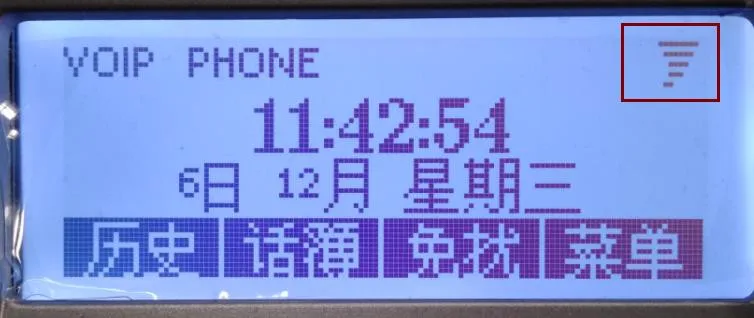
Símbolo de alerta em telefone monocromático

Modelos Compatíveis

Este guia abrange todos os modelos de telefones IP da nossa marca.

Público-Alvo

Documento destinado a usuários e equipe de suporte para diagnóstico de tempestades de rede e configuração de IP estático.

Verificação e Prevenção de Tempestades de Rede

Causas Comuns

Consulte informações gerais sobre tempestades de rede no link:

https://baike.baidu.com/item/%E7%BD%91%E7%BB%9C%E9%A3%8E%E6%9A%B4/7308277?fr=aladdin

Principais causas relacionadas ao telefone:

1. Loop de rede gerado pelas duas portas Ethernet do telefone. Muitos usuários conectam ambas as portas no switch/roteador, criando loops de broadcast.
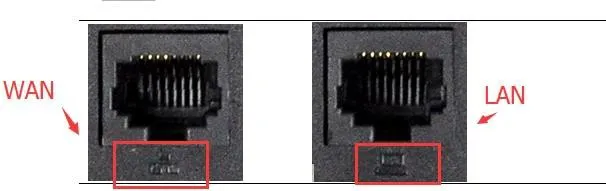
Duas portas Ethernet do telefone

Observações:

(1) A porta LAN é uma extensão em ponte da porta WAN. Projetada para mesas com apenas um cabo de rede: conecte o cabo principal na WAN e o PC na LAN.

(2) Com tomadas disponíveis, use conexões separadas para PC e telefone, mantendo a porta LAN desligada.
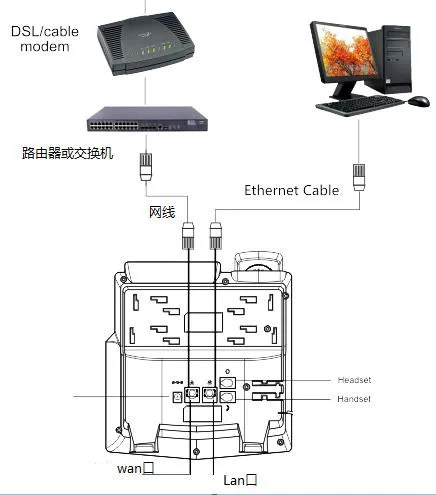
Exemplo de cabeamento recomendado WAN/LAN

2. Inversão das portas WAN e LAN. A WAN deve se conectar ao roteador upstream e a LAN apenas a dispositivos locais.

Observação: Conexão incorreta não causa falhas imediatas, mas gera instabilidade contínua.

Métodos de Prevenção

Conecte a porta WAN ao equipamento de rede principal. A porta LAN deve permanecer desconectada ou ligada apenas a terminais locais.

Solução de Problemas

1. Use o Wireshark para capturar pacotes em tempo real:

https://jingyan.baidu.com/article/60ccbceb65ff2164cbb19777.html

2. O Wireshark pode ser baixado em portais de software confiáveis.

3 Em tempestades, a rede local recebe milhares de pacotes de broadcast. Em 18 segundos podem ser capturados mais de 882 mil pacotes.
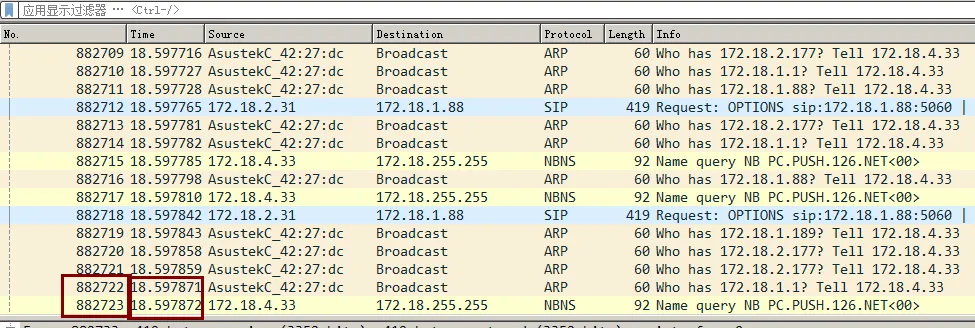
Detecção de tempestade com captura de pacotes

4. Método alternativo de diagnóstico:

https://jingyan.baidu.com/article/29697b9101f95fab21de3c6c.html

5. Guia para usuários com conhecimento básico de rede, usando a topologia de referência:
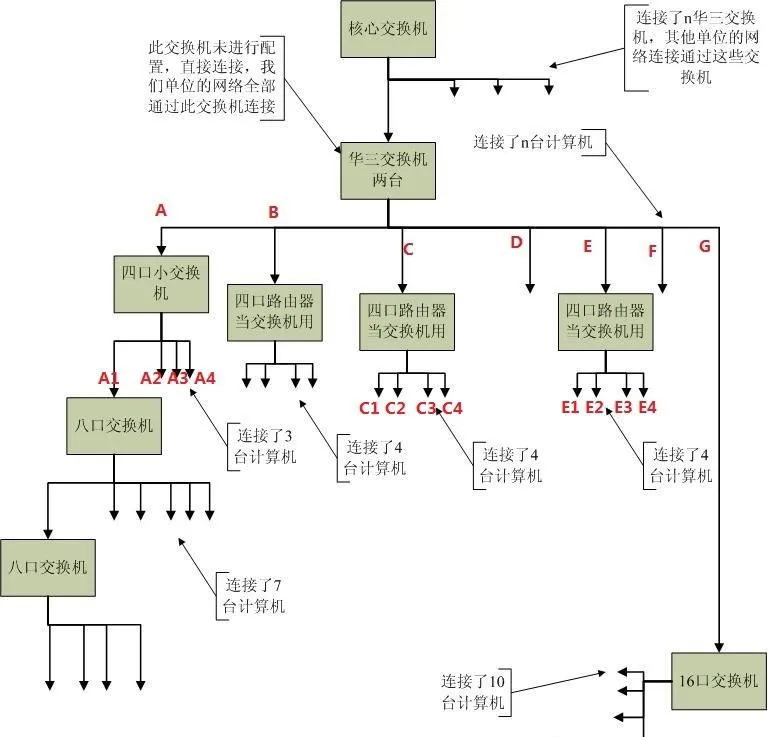
Topologia para isolamento de falhas

Passo a passo:

① Abra o Wireshark no PC, conecte ao ponto A e inicie a captura.

Resultado 1: Se houver tempestade, desconecte as linhas B a G uma por uma para identificar o ramo defeituoso.

Resultado 2: Se o tráfego estiver normal, o problema está no ramo A.

② Mantenha A conectado, ligue o PC em A1 e repita a captura.

Resultado a: Tempestade persistente — verifique A2, A3, A4.

Resultado b: A1 normaliza o tráfego, isole a falha nesse segmento.

Observação: Adapte o fluxo para sua infraestrutura de rede real.

Catálogo
Atendimento ao cliente Telefone
We use cookie to improve your online experience. By continuing to browse this website, you agree to our use of cookie.

Cookies

This Cookie Policy explains how we use cookies and similar technologies when you access or use our website and related services. Please read this Policy together with our Terms and Conditions and Privacy Policy so that you understand how we collect, use, and protect information.

By continuing to access or use our Services, you acknowledge that cookies and similar technologies may be used as described in this Policy, subject to applicable law and your available choices.

Updates to This Cookie Policy

We may revise this Cookie Policy from time to time to reflect changes in legal requirements, technology, or our business practices. When we make updates, the revised version will be posted on this page and will become effective from the date of publication unless otherwise required by law.

Where required, we will provide additional notice or request your consent before applying material changes that affect your rights or choices.

What Are Cookies?

Cookies are small text files placed on your device when you visit a website or interact with certain online content. They help websites recognize your browser or device, remember your preferences, support essential functionality, and improve the overall user experience.

In this Cookie Policy, the term “cookies” also includes similar technologies such as pixels, tags, web beacons, and other tracking tools that perform comparable functions.

Why We Use Cookies

We use cookies to help our website function properly, remember user preferences, enhance website performance, understand how visitors interact with our pages, and support security, analytics, and marketing activities where permitted by law.

We use cookies to keep our website functional, secure, efficient, and more relevant to your browsing experience.

Categories of Cookies We Use

Strictly Necessary Cookies

These cookies are essential for the operation of the website and cannot be disabled in our systems where they are required to provide the service you request. They are typically set in response to actions such as setting privacy preferences, signing in, or submitting forms.

Without these cookies, certain parts of the website may not function correctly.

Functional Cookies

Functional cookies enable enhanced features and personalization, such as remembering your preferences, language settings, or previously selected options. These cookies may be set by us or by third-party providers whose services are integrated into our website.

If you disable these cookies, some services or features may not work as intended.

Performance and Analytics Cookies

These cookies help us understand how visitors use our website by collecting information such as traffic sources, page visits, navigation behavior, and general interaction patterns. In many cases, this information is aggregated and does not directly identify individual users.

We use this information to improve website performance, usability, and content relevance.

Targeting and Advertising Cookies

These cookies may be placed by our advertising or marketing partners to help deliver more relevant ads and measure the effectiveness of campaigns. They may use information about your browsing activity across different websites and services to build a profile of your interests.

These cookies generally do not store directly identifying personal information, but they may identify your browser or device.

First-Party and Third-Party Cookies

Some cookies are set directly by our website and are referred to as first-party cookies. Other cookies are set by third-party services, such as analytics providers, embedded content providers, or advertising partners, and are referred to as third-party cookies.

Third-party providers may use their own cookies in accordance with their own privacy and cookie policies.

Information Collected Through Cookies

Depending on the type of cookie used, the information collected may include browser type, device type, IP address, referring website, pages viewed, time spent on pages, clickstream behavior, and general usage patterns.

This information helps us maintain the website, improve performance, enhance security, and provide a better user experience.

Your Cookie Choices

You can control or disable cookies through your browser settings and, where available, through our cookie consent or preference management tools. Depending on your location, you may also have the right to accept or reject certain categories of cookies, especially those used for analytics, personalization, or advertising purposes.

Please note that blocking or deleting certain cookies may affect the availability, functionality, or performance of some parts of the website.

Restricting cookies may limit certain features and reduce the quality of your experience on the website.

Cookies in Mobile Applications

Where our mobile applications use cookie-like technologies, they are generally limited to those required for core functionality, security, and service delivery. Disabling these essential technologies may affect the normal operation of the application.

We do not use essential mobile application cookies to store unnecessary personal information.

How to Manage Cookies

Most web browsers allow you to manage cookies through browser settings. You can usually choose to block, delete, or receive alerts before cookies are stored. Because browser controls vary, please refer to your browser provider’s support documentation for details on how to manage cookie settings.

Contact Us

If you have any questions about this Cookie Policy or our use of cookies and similar technologies, please contact us at support@becke.cc .