
The BT1 Armoured Telephone Handset is built for buyers who need more than a standard replacement handset. Designed for landline telephones, industrial communication terminals, and rugged fixed voice devices, it combines reinforced structure, dependable audio hardware, and stronger cable protection to support long-term use in tougher service environments.
Related Products Overview:BKTS2 Wall-Mounted Sound and Light PA Telephone
In many communication projects, the handset is one of the first components to fail under repeated handling, pulling, and daily wear. The BT1 is designed to solve that problem with a stronger body, an armoured cable structure, and practical protective details that help improve durability, reduce replacement frequency, and support a more reliable endpoint over time.
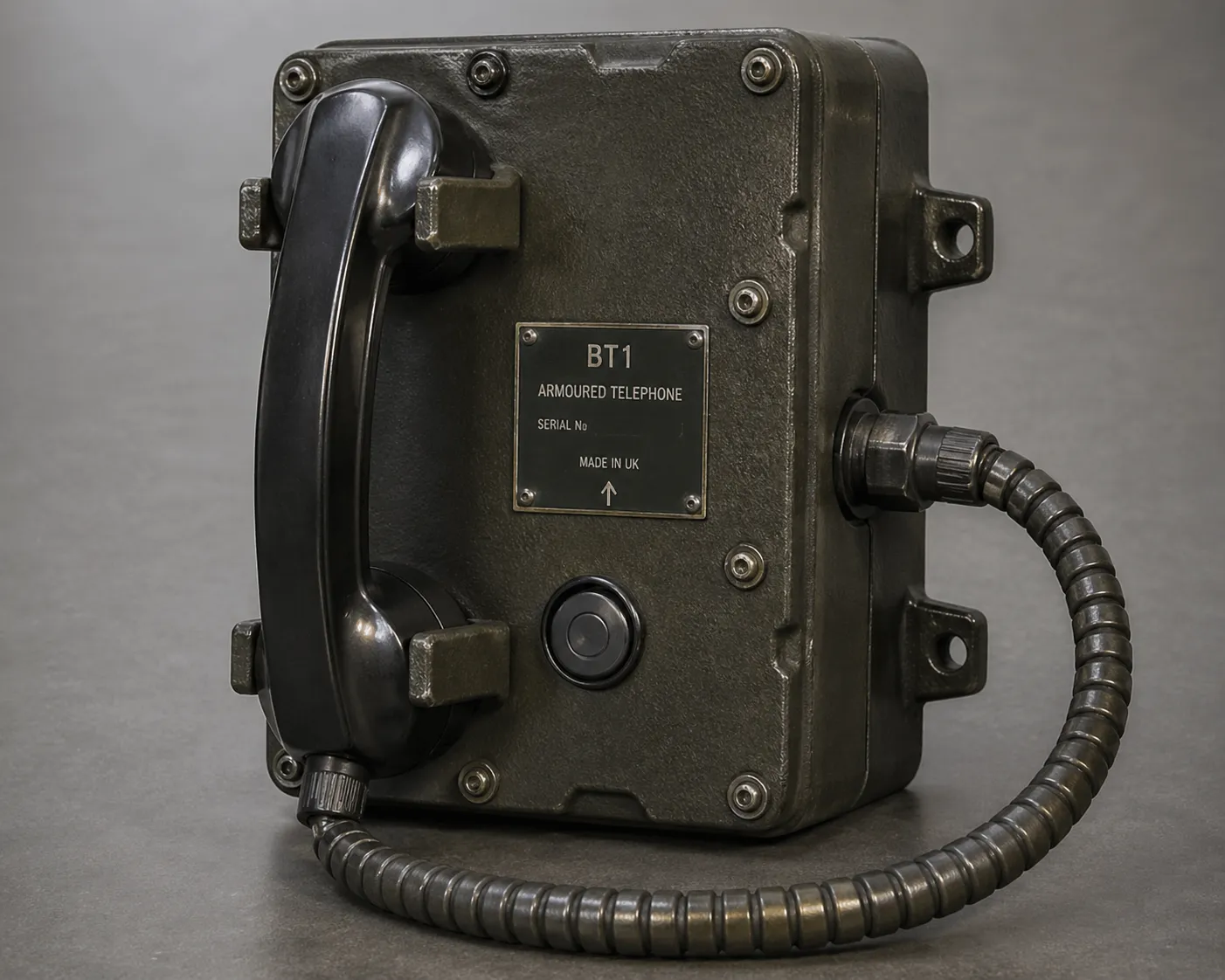
When the handset is stronger, the whole voice endpoint becomes more dependable in daily operation.
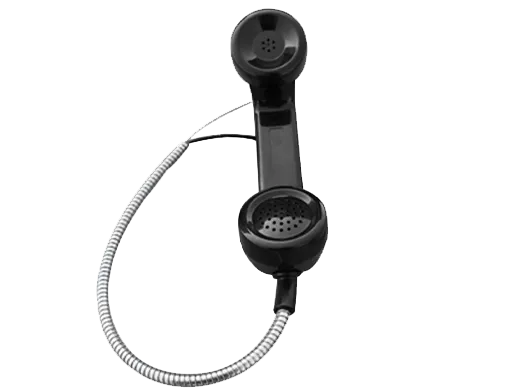
The BT1 uses a PC/ABS housing and a square-profile handset body that gives the product a tougher and more professional appearance than a standard office handset. This structure is designed for buyers who value stronger mechanical reliability, especially in telephone products that may be exposed to repeated use or physical contact throughout the day.
A more durable handset body does more than improve product appearance. It also helps support the long-term usability of the full communication terminal. For OEM projects, system integration work, and replacement upgrades, a stronger handset immediately adds visible value to the endpoint.
One of the key selling points of the BT1 is its armoured cable design. In real deployments, cord damage is one of the most common reasons a handset needs replacement. A reinforced cable helps reduce this weak point and gives the product a stronger value proposition for buyers comparing rugged handset options.
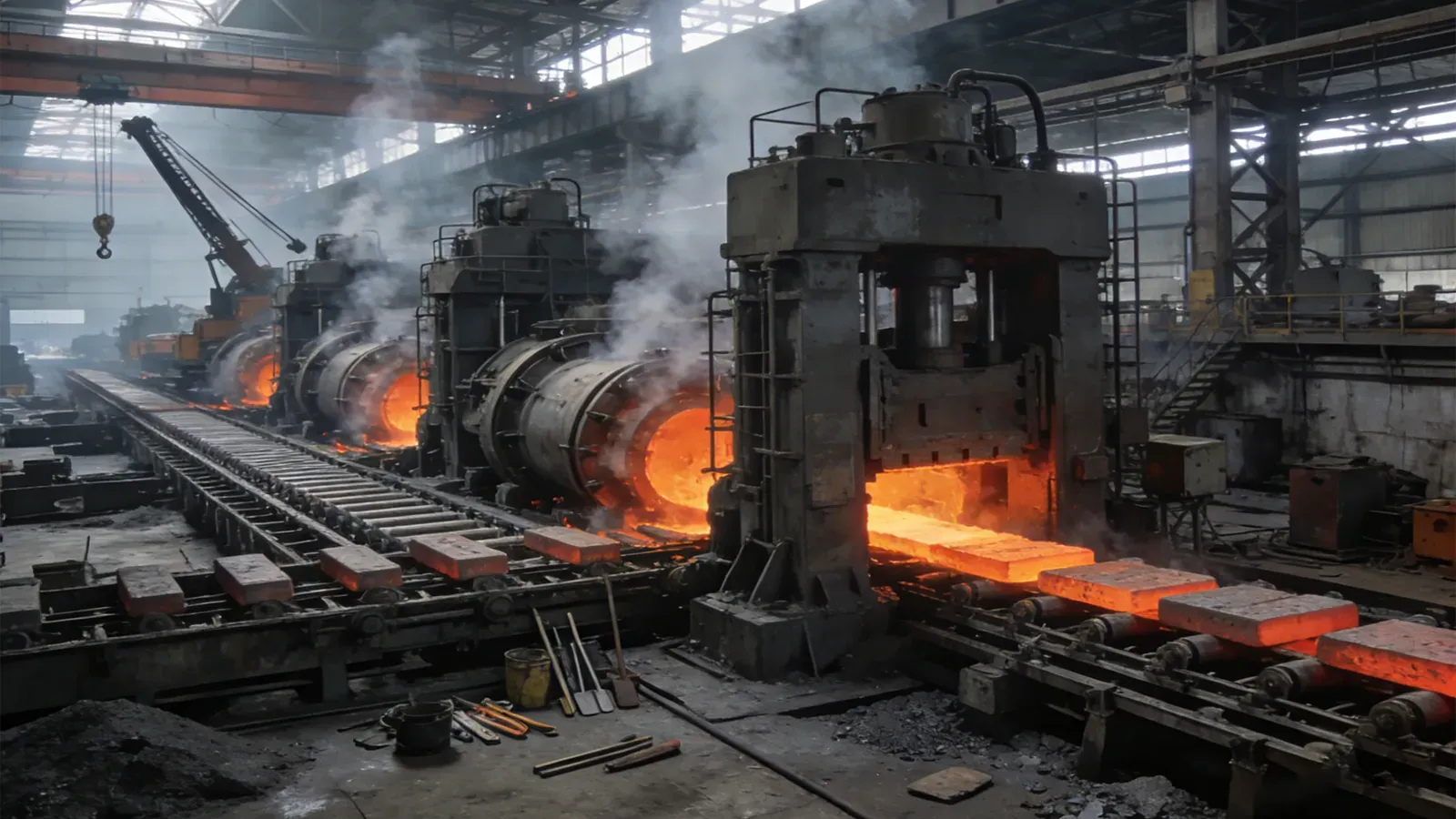
This makes the BT1 a better fit for projects where standard handset cords are not durable enough. It is especially suitable for communication devices used in industrial settings, public areas, service locations, infrastructure sites, and other installations where hardware is expected to withstand more than light office use.
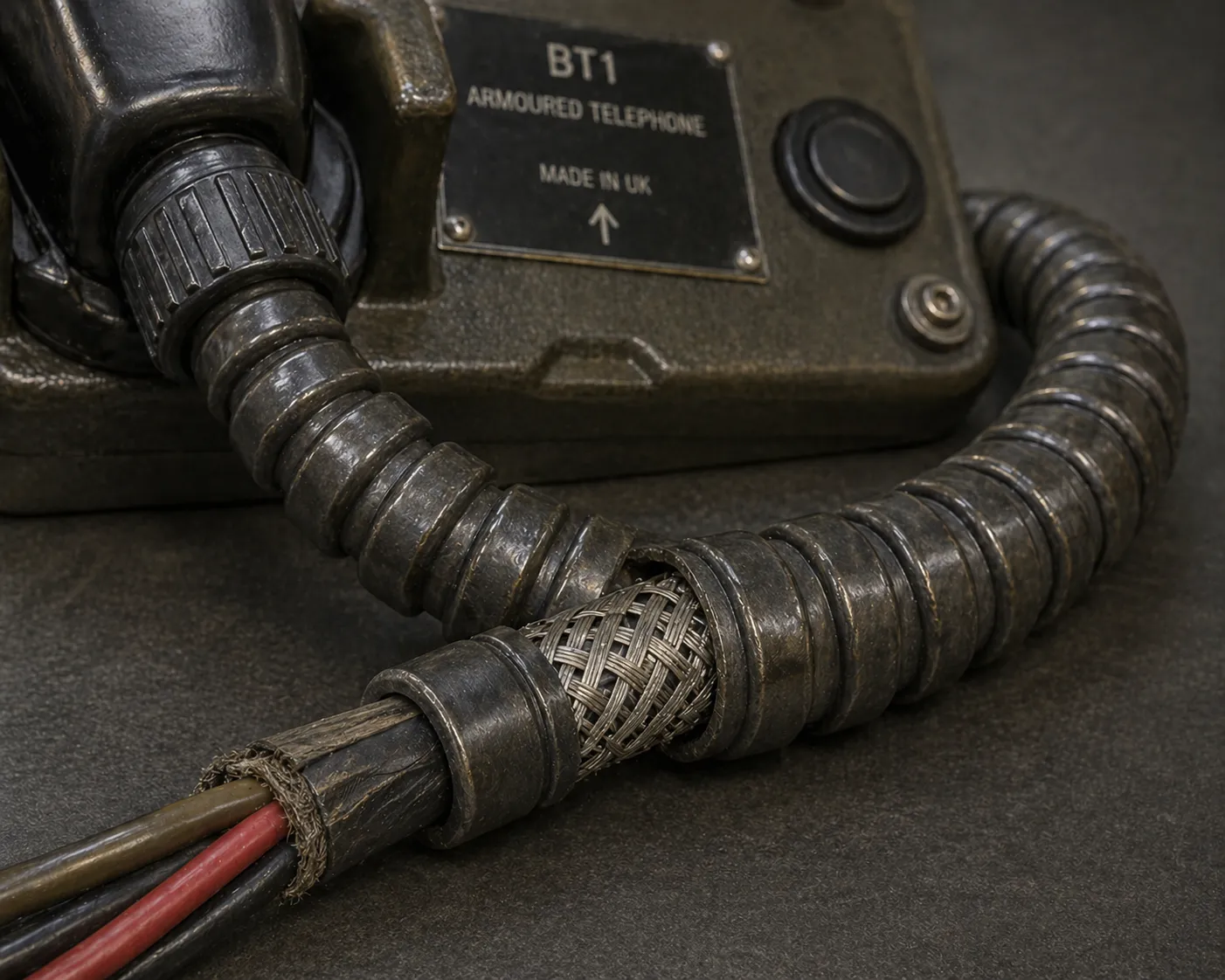
The spiral hose is made of SUS 302 and is designed to deliver flexibility, softness, and anti-pull performance at the same time. This is important because a rugged handset must not only survive tougher use, but also remain comfortable and practical during normal daily handling.
The internal steel cable is specially reinforced to withstand substantial pulling force. For product buyers, this means the BT1 offers a more convincing mechanical protection story, especially in installations where accidental pulling, frequent lifting, or rougher handling can quickly damage a normal handset.
The BT1 also uses Teflon conducting wire to improve resistance to high temperature, abrasion, and demanding service conditions. For rugged communication accessories, internal material choice matters because a stronger external shell alone is not enough. True durability depends on the stability of both the outside structure and the inside connection system.
With an insulation rating of DC > 500V, the product presents a more professional specification profile for projects where hardware reliability and internal protection are part of the purchasing decision. These details help position the BT1 as a more serious accessory for industrial and fixed communication equipment.
Waterproof membrane protection is attached to the microphone and receiver positions to help the handset perform more reliably in real installation conditions. Even though the handset itself is an accessory rather than a complete sealed telephone, these added details still contribute to better day-to-day protection.
For distributors, project buyers, and equipment integrators, small protective features like this can make the product easier to sell because they show that the design is focused on practical field use rather than appearance alone.
Many handset products are treated as simple accessories, but in practice they directly affect user experience, maintenance workload, and the perceived quality of the complete terminal. The BT1 is positioned as more than a basic replacement handset. It is a durability upgrade for equipment that needs a stronger physical interface.
This gives it stronger sales value in projects where the buyer wants to improve endpoint quality without redesigning the full communication device. Upgrading the handset can be one of the most practical ways to make a fixed voice terminal feel more rugged, more professional, and more suitable for long-term service.
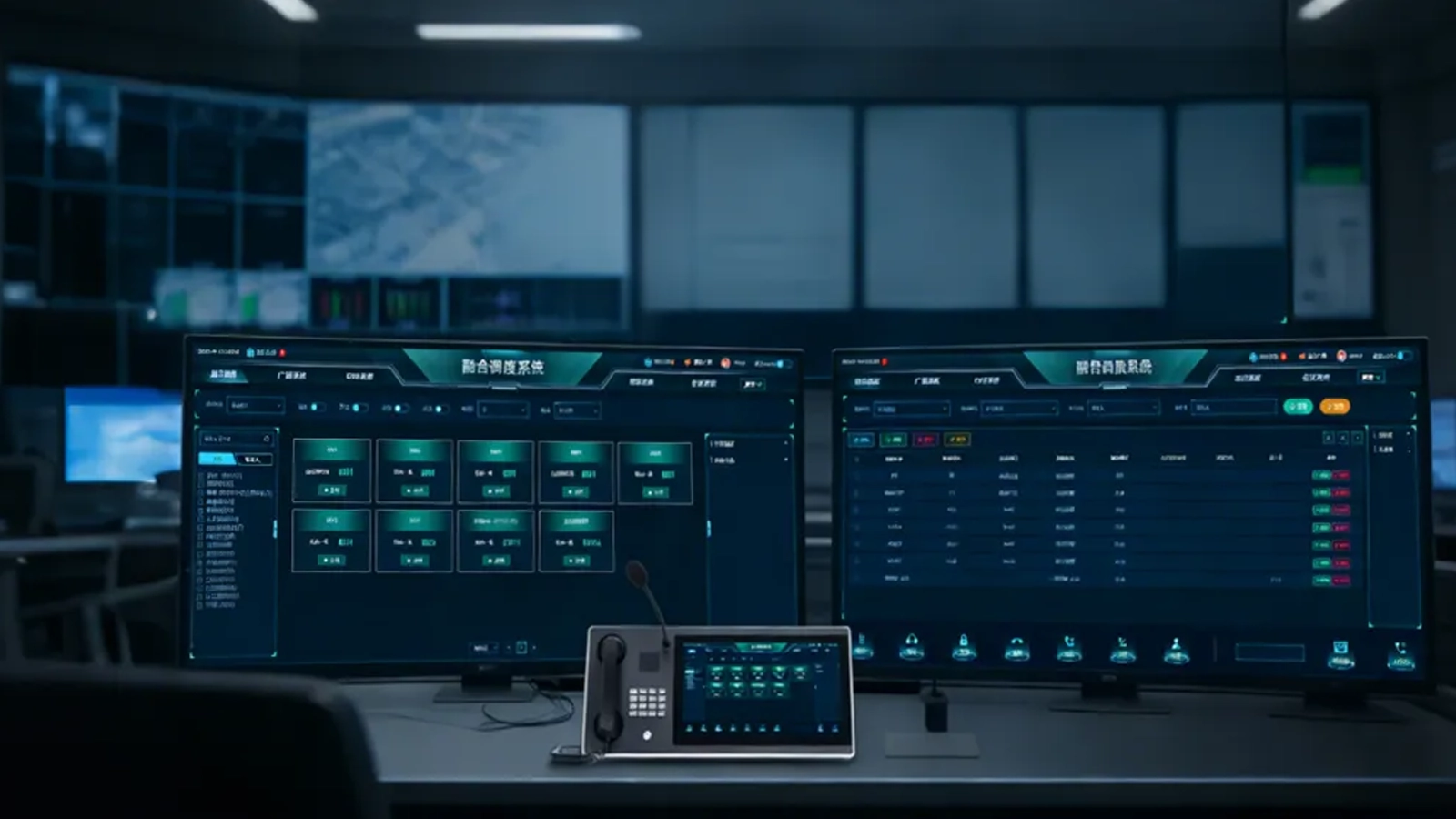
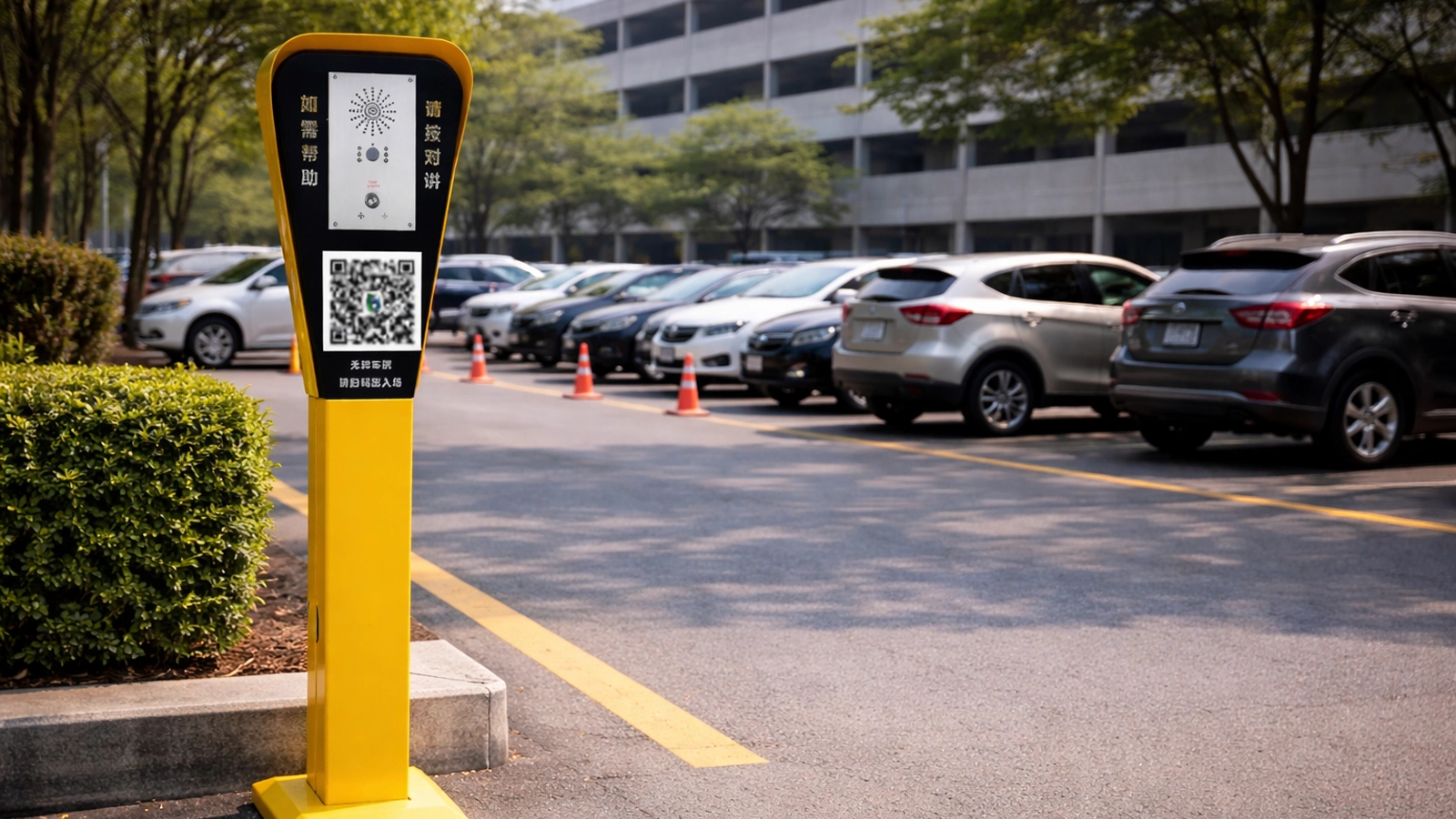
The BT1 is suitable for landline telephones, industrial communication terminals, public-access voice devices, and retrofit or replacement projects that require a more durable handset structure. This gives the product flexibility across OEM supply, system integration, maintenance support, and project-based procurement.
For suppliers and manufacturers, it is also a useful accessory option for building a stronger product lineup. A rugged handset can improve the competitiveness of the finished terminal by adding durability where users interact with the device most often.
Buyers may first notice the main telephone unit, but they judge durability every time they lift the handset.
The BT1 combines a rugged PC/ABS body, armoured cable, SUS 302 spiral hose, reinforced internal steel cable, Teflon conducting wire, and waterproof membrane protection in one handset solution. These features work together to create a stronger product story for projects that need more than an ordinary handset.
From a sales perspective, this means the product can be positioned around durability, reduced maintenance pressure, stronger anti-pull performance, better cable protection, and improved fit for harsh-use communication environments.
In industrial and public communication systems, endpoint durability is closely tied to service continuity. A handset that fails too easily can reduce the reliability of the whole terminal and increase support costs. The BT1 helps address this issue by focusing on the areas most likely to be affected by repeated physical use.
This makes it a practical option for product catalogs, distributor portfolios, and project quotations where rugged communication accessories need a stronger and more persuasive value presentation.
An armoured telephone handset is a reinforced handset designed with better physical protection than a standard handset. It usually includes a stronger body, reinforced cord structure, and better resistance to pulling, wear, and repeated handling.
It is commonly used in rugged landline equipment, industrial telephones, and fixed voice terminals where ordinary handset accessories may not provide enough durability.
The BT1 handset is used as a rugged handset accessory for landline telephones, industrial communication terminals, public-access voice devices, and replacement projects that require stronger mechanical performance.
It is especially suitable for applications where the handset may face frequent use, stronger pulling force, or more demanding environmental conditions than a typical office handset.
The BT1 is designed with a more durable overall structure, including a PC/ABS body, armoured cable, SUS 302 spiral hose, reinforced steel cable, Teflon conducting wire, and waterproof membrane protection.
These details help position it as a stronger and more dependable choice for rugged communication equipment rather than a simple consumer-style handset.
No. The BT1 is a handset accessory, not a complete telephone unit. It is intended for integration into compatible fixed communication devices or for use in handset replacement and upgrade projects.
This makes it suitable for OEM supply, equipment integration, and maintenance-oriented applications where a stronger handset component is needed.